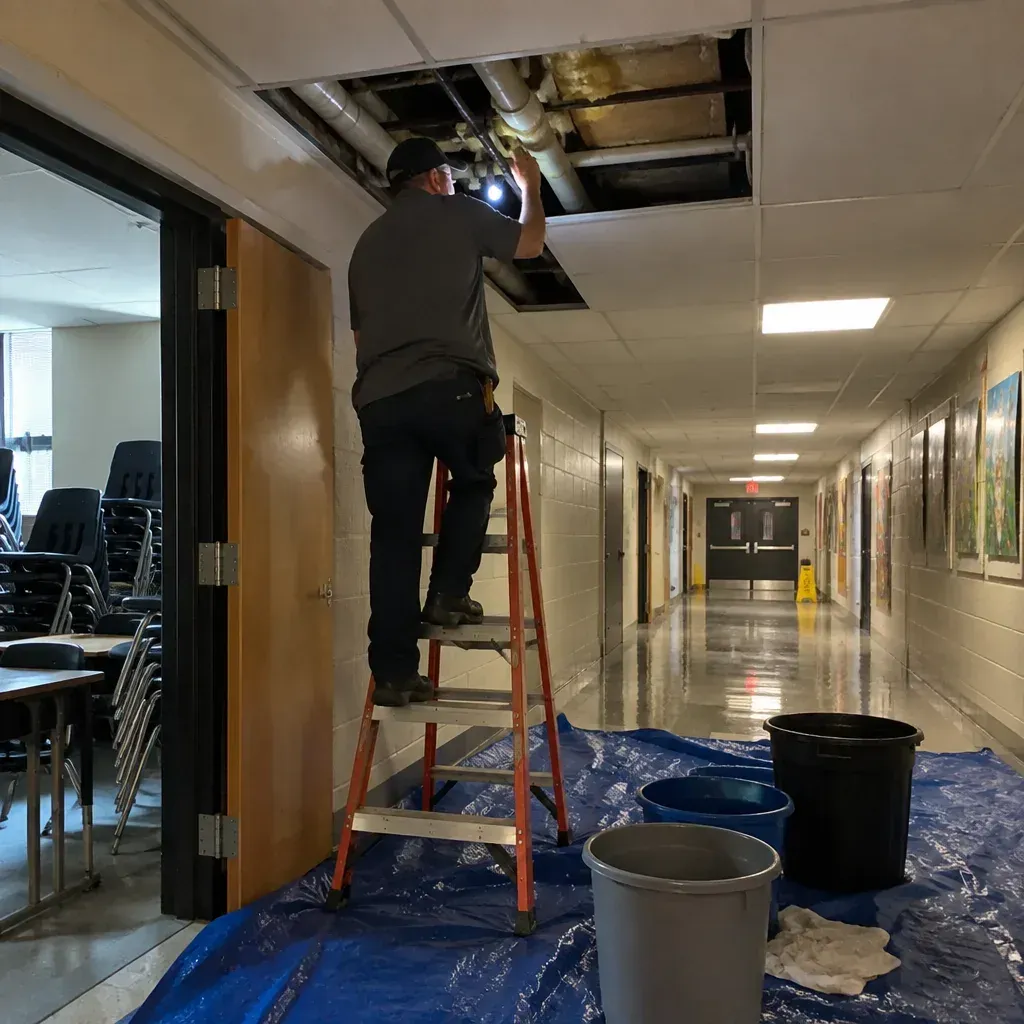
After-Hours Cost
Know what details to share, which urgent tasks need approval, and how to clarify added work. Learn what to ask about labor timing, call fees, urgent work, and approval.
Read article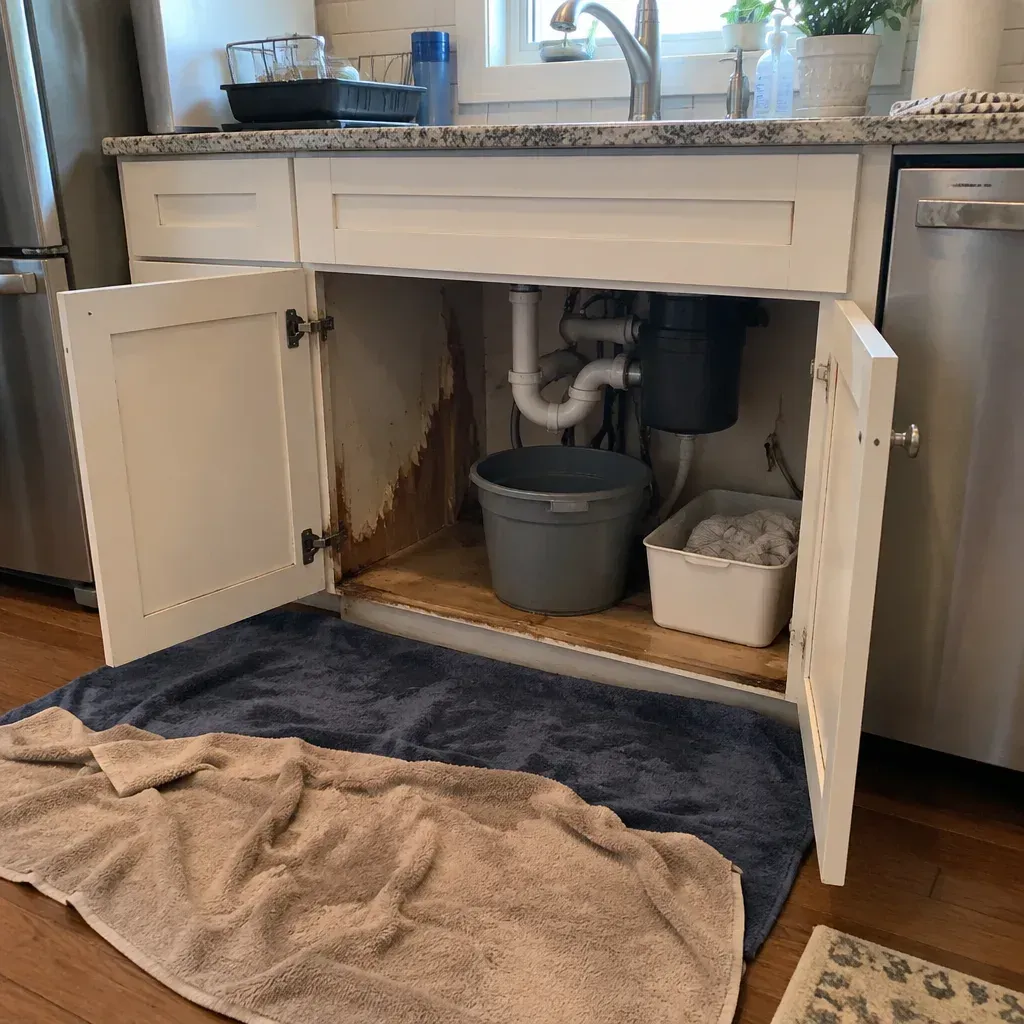
Follow water clues through Elgin homes to pinpoint a concealed supply line break.
Across Elgin, a wet ceiling or warped trim can appear far from the supply pipe that released the water. Homes vary, from older buildings near the Elgin National Watch District to ranches and split-levels elsewhere. The Fox River runs through the city, but a nearby river does not identify a leak or explain a particular pipe failure. Start with the first visible change and whether fixtures still work normally. Those details help separate a concealed supply-line problem from moisture with another source.
For an Elgin inspection, the plumber first compares the wet area with accessible supply lines and fixture locations. A ranch and a split-level can hide those lines in different places, so the route affects how far checks must extend. Hidden pipe leak detection can narrow the search before anyone opens a finish. The cost and time depend on access, the length of the likely route, and whether readings point to one section. If evidence remains unclear, the next step may be targeted access, followed by a separate repair decision.
Illinois regulates plumbing practice and contractors; Elgin repair requirements need checking for the specific job. Near Riverfront Park and across Gilberts, Elgin and South Elgin, the damaged line guides repair choices.
If the pipe serves the home where you live, follow residential burst pipe repair; for a rental you manage or a workplace you own, start with commercial burst pipe repair.
A hiss, trickle, or faint rush that continues while fixtures are off can help narrow the search to a pressurized supply line. Sound may carry through framing, so the loudest point is not proof of the break. Note which rooms seem affected and whether the noise changes when a fixture is used. A pressure reading can help show whether the supply system is losing pressure while water is idle.
A damp patch can form where water finally reaches drywall, flooring, or trim, rather than beside the pipe opening. Water may run along framing or follow a pipe before showing. Look for a trail, swelling, or more than one damp area; the pattern can suggest a route through the structure. A plumber compares those marks with nearby supply lines before choosing where to inspect further.
If the water mark grows while every fixture is idle, note the change and check whether the meter registers flow, if you can do so safely. A reading can support the presence of ongoing water movement, but it cannot identify the pipe or rule out every other source. In Elgin, sharing the observation alongside fixture use helps the plumber decide which checks to make first.
The plumber notes which fixtures were running, where moisture first appeared, and any meter changes. These details help separate a supply-line concern from other possible sources.
Accessible supply branches and nearby surfaces are checked together. The comparison helps narrow the search to a route that fits both the pipe layout and the moisture pattern.
The plumber uses available sound or moisture clues to focus on a concealed section. If those checks cannot confirm the break, targeted access may be discussed before opening finishes.
Once the damaged point is identified, the plumber explains the access and compatible repair options. Any repair is a separate step from locating the break.
Finding the concealed break helps focus any access work on the affected section. That matters in Elgin homes where the wet surface may be separated from the supply route by a ceiling, partition, or floor. A plumber can compare clues before recommending an opening. Once the damaged point is located, the plumbing repair can be discussed separately from work on affected building materials.
Elgin extends into both Cook and Kane counties, so the property address matters when checking which local authority handles requirements. Do not assume one rule applies to every address or repair. The pros we connect you with can explain what they propose after locating the damaged line, while you confirm any permit question with the appropriate local office. A location check does not itself establish which approvals may be needed.
In Elgin, start with the first damp spot, not the largest one. Look for bubbling paint or soft trim, which can reveal moisture beyond the first spot. Ongoing moisture can weaken nearby drywall and framing even when the surface seems mostly dry. The pros we connect you with can compare that pattern with the supply layout and check for moisture without opening every surface. A steady meter change with fixtures off can help distinguish an active supply leak from leftover dampness. They can then decide whether a small access opening is needed.
Along the Fox River, treat burst pipe location figures for Elgin as estimates; have the provider disclose the visit charge and describe the repair scope in writing.
| Damage Extent | Work Sequence | Pipe Access |
|---|---|---|
| Small leak | Cornish Park area: early split located and sealed with a suitable repair | an estimated $125–$500 |
| Common break | Sound supply pipe kept; incompatible joint replaced with a matching fitting | an estimated $145–$650 |
| Longer replacement | One reachable rupture located and repaired, with nearby joints checked | an estimated $125–$500 |
| Hidden access | Damaged stretch cut out and joined to pipe suited to the system | an estimated $300–$2,000 |
When comparing estimates, check that each describes the same repair area and replacement choices. A part intended for longer service may be offered as an add-on. Confirm whether cleanup and finish repairs are included. The full pricing guide describes what can affect the amount you pay.
The plumber traces the likely supply route from nearby fixtures and accessible pipe sections, then compares it with moisture patterns and other observations. Sound or moisture checks may help narrow the search. In a split-level home, checking which level and fixtures are involved can help distinguish possible routes. If the evidence points to a concealed section, the plumber can explain whether targeted access is needed.
A plumber can compare the timing of dampness with fixture use and check accessible supply piping. Water that appears when no fixture is running may point toward a supply-side issue, while timing linked to a fixture suggests another route to investigate. No single observation proves the source. The plumber combines the clues and checks whether they fit the pipe layout.
No. The visible mark shows where moisture reached the surface, not necessarily where the pipe opened. The size of a surface mark may not reflect how much moisture has collected behind the finish. The plumber compares the mark’s direction and spread with accessible supply lines to estimate where the concealed section may be.
Often, initial checks can narrow the likely route without opening a wall or ceiling. The plumber may compare moisture readings, sound, fixture use, and accessible piping. Comparing readings at separate spots can show whether moisture is limited to one area or follows a wider path. The plumber should explain why before that work begins.
Share where moisture first showed, when you noticed it, and whether the meter changes while fixtures are off. Mention any recent use of faucets or appliances. A photo can record the stain’s edges and help show whether its outline has changed. The pros we connect you with can use those observations to focus hidden pipe leak detection, then discuss access and a separate pipe repair if they find the break.
The location helps show what must be reached and what repair choices may fit the existing line. The plumber can identify the damaged section and explain the proposed plumbing work separately. Work on wet drywall, flooring, or other finishes is outside the pipe repair and may need a different provider.
Treat $125–$500 for this work as a planning estimate. Where the line runs and how easily someone can reach it affect the job. The price also depends on repairing it or fitting a replacement section. The pros we connect you with price the work after reviewing the break and scope.
Notice where water appears and what changes nearby to understand the signs of a pipe break.
Know what details to share, which urgent tasks need approval, and how to clarify added work. Learn what to ask about labor timing, call fees, urgent work, and approval.
Read article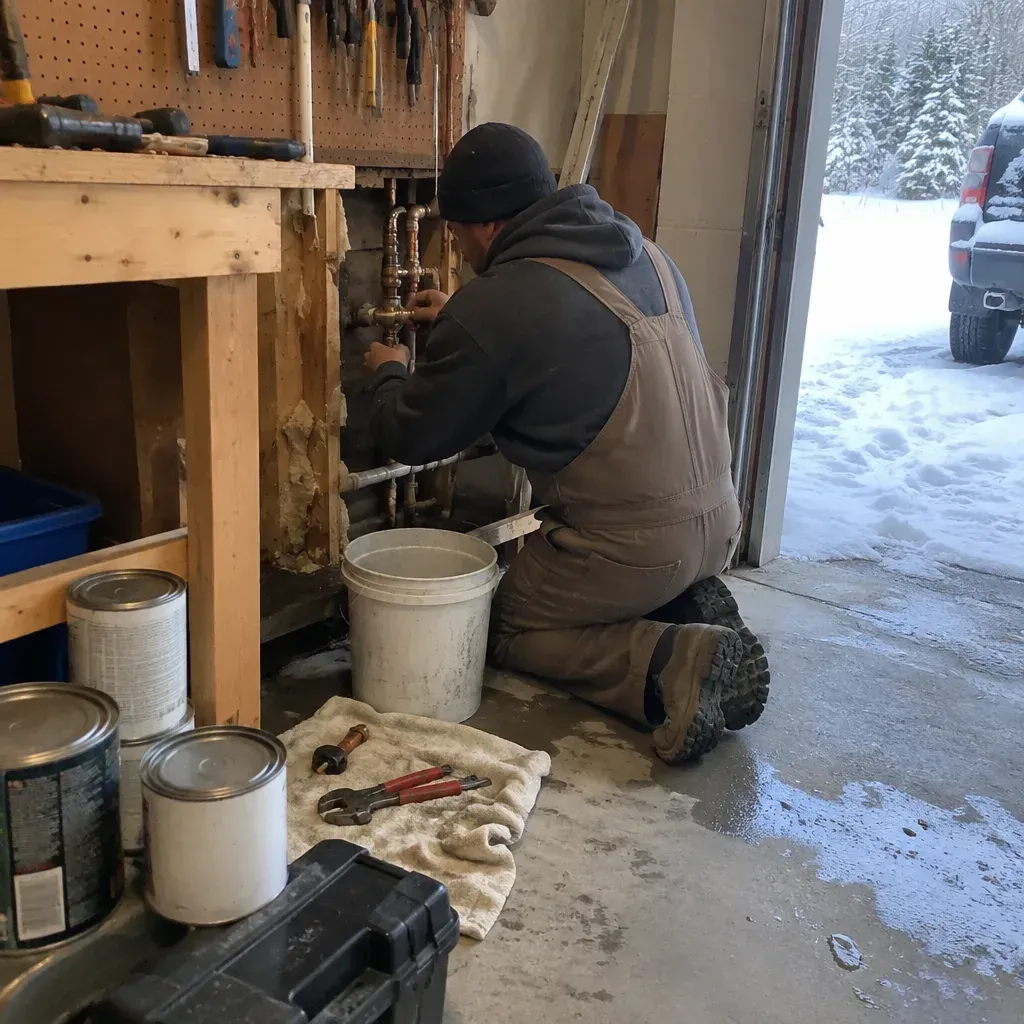
Learn what signs to note and which repair details to clarify when reviewing an estimate. See how repair scope, labor, materials, and visible signs relate to the estimate.
Read article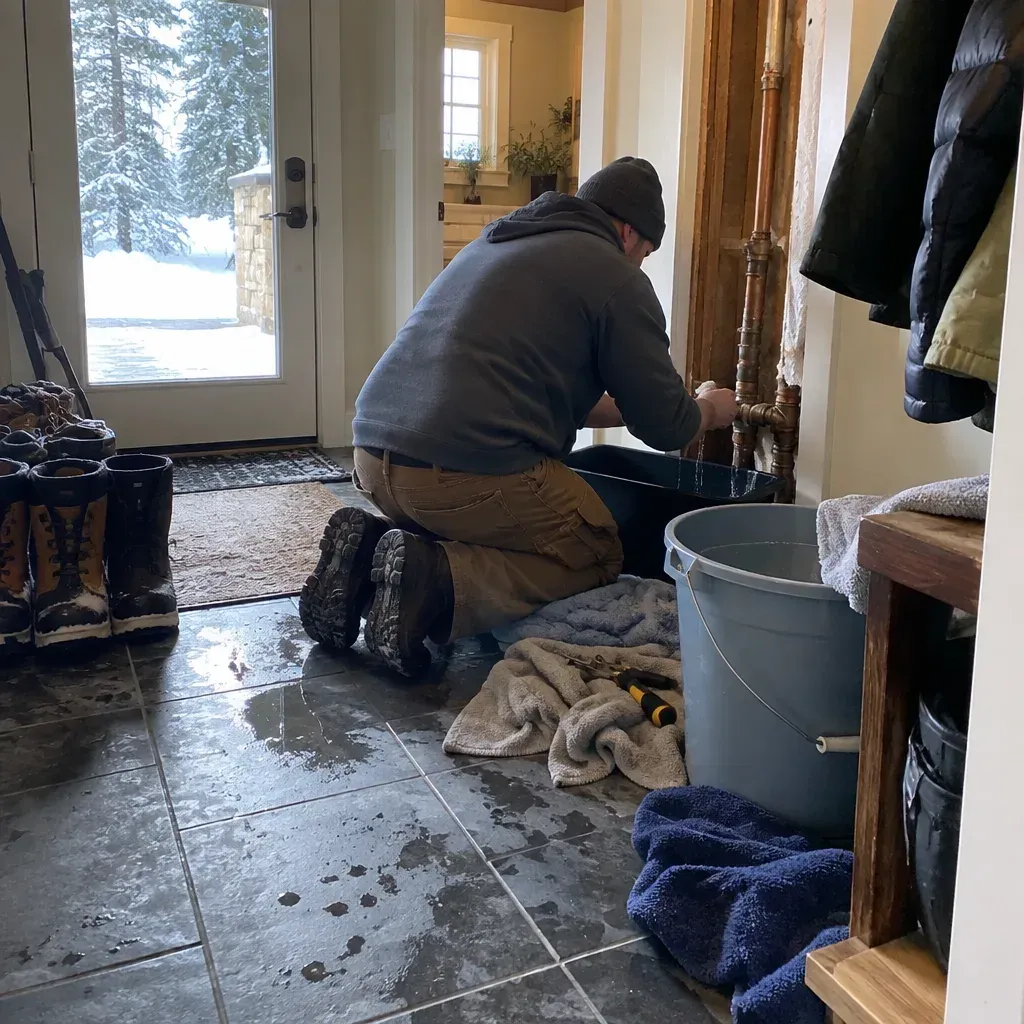
In Elgin, pipe access, material condition, repair scope, and wet finishes can all affect a burst pipe estimate. Learn what to ask before approving the work.
Read articleIf you are near Gail Borden Library or elsewhere in Elgin, provide the full service address when you ask about a visit. A nearby service-area listing does not confirm openings for a particular home. Explain whether the pipe is exposed or the water appeared on a finished surface. Ask whether an inspection is available, whether there is a visit fee, and what the estimate will include. Before work begins, ask how the pros we connect you with will describe the repair and any warranty coverage.
Call (847) 908-9187